


Where money leaks away in product-based business without a proper system
Even if a business is successful and has been running for several years, the lack of a centralized CRM can lead to lost potential customers and profit. The most common problems that arise:- managers accidentally miss new requests because they’re overloaded;
- orders get duplicated;
- customer information is stored across several services or spreadsheets;
- warehouse stock is updated with a delay, leading to orders that can’t actually be fulfilled;
- errors occur during order picking;
- there is no control at all over the status of order fulfillment;
- management and analysts don’t see the real sales volume and financial turnover.
What a CRM for dropshipping and online stores needs to do
Of course, every company has its own order and organization of business processes. But there’s a baseline set of features that a modern CRM for product-based business can’t do without, for example:- automatically receiving requests from different channels and grouping them;
- a centralized customer database with automatic updates;
- interaction history with buyers, a blacklist of customers;
- order status management;
- stock control;
- automatic document generation (reports, invoices, etc.);
- real-time parcel tracking;
- returns management;
- sales analytics and reporting;
- oversight of manager performance;
- automatic customer notifications.
| Module | Purpose | Benefit |
|---|---|---|
| Order management | Processing all requests in one place | Fewer errors, faster processing |
| Customer card | History of all orders and communications with the customer | Personalized service |
| Warehouse management | Detailed stock control | Prevents selling products that are out of stock or unavailable from partners |
| Automation | Performing routine actions without staff or manager involvement | Time savings |
| Sales analytics | Preparing reports and reference data | Supports management decisions, enables marketing campaigns |
| Financial module | Control over returns and sales | Transparent accounting |
Integrations with marketplaces, delivery services, and the warehouse
Modern product-based businesses mostly sell through several channels at once — their own website, Instagram, an offline store, and so on. That’s why a CRM for product-based business needs to bring all of this together into a single ecosystem. The NextDoorCoders team helps integrate with:- online stores;
- marketplaces;
- delivery services;
- payment services;
- CRM and ERP platforms of various levels;
- accounting software;
- IP telephony;
- SMS and email services;
- analytics services;
- internal corporate systems.
What operator work looks like after implementing a CRM
Before automation, an operator is forced to work in several programs at once. For example, the list of suppliers might sit in one spreadsheet, warehouse stock data in a separate Word document, and handing an order off for fulfillment happens through a private Telegram chat. After a CRM for product-based business is implemented, all of these tasks are carried out in a single, convenient interface. A typical workflow the business will follow:- the order is automatically added to the CRM;
- the system checks product availability;
- the manager confirms the order;
- a shipping invoice and other outbound documents are generated automatically;
- all the necessary information is sent to the warehouse, where the order is picked;
- the customer receives an automatic notification that their order is being processed;
- after delivery, the CRM records this and adds it to the reporting.
How much a CRM for product-based business costs and when it pays off
How much does a custom CRM for product-based business cost? There’s no single rate, since every company’s management-software needs are individual. The final cost is affected by: the number of modules, integrations, the total number of users, the level of document-workflow automation, the level of analytics, and security requirements. At NextDoorCoders, we build CRMs that stay relevant even as the client’s company grows and adds new product categories. In other words, the focus isn’t only on current business needs, but also on potential scaling in the future. To optimize the budget, our experts recommend a staged approach to CRM development. That means an MVP module with the key features is built first, and the full set of functionality and integrations is added to it afterward. Our experience shows that CRMs pay for themselves fairly quickly, because:- the number of errors drops significantly;
- order processing becomes faster;
- manager productivity increases;
- company costs decrease;
- the quality of customer service and repeat sales increases significantly.
Заказать CRM для товарного бизнеса под ключ
От заявки до доставки — в одной системе, без Excel и ручного контроля
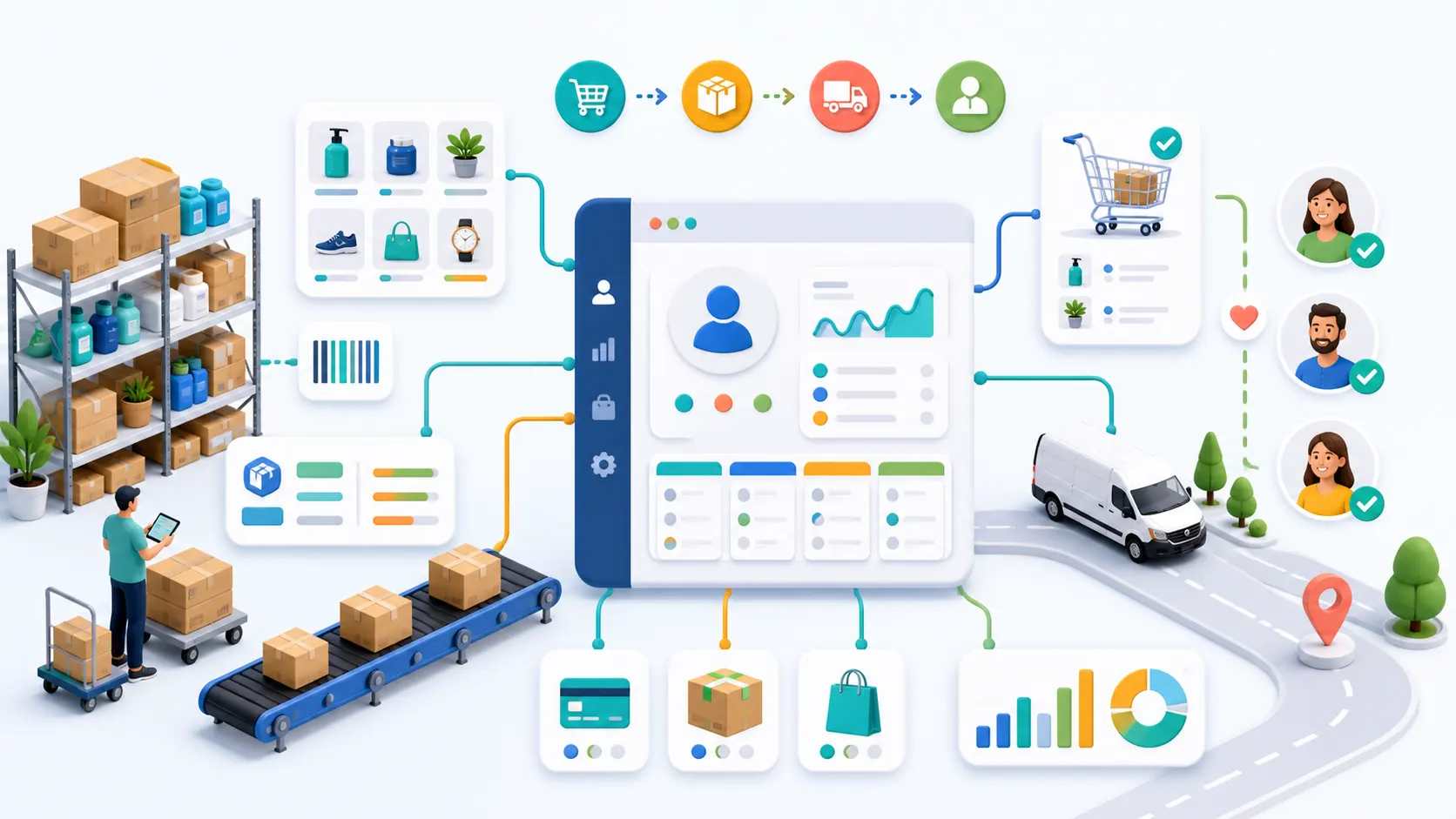
CRM for Product-Based Business by NextDoorCoders — Automation Without Chaos
Что входит в CRM для товарного бизнеса
Единая база заявок
Заказы с сайта, маркетплейсов и мессенджеров автоматически собираются в CRM и группируются в одном месте.Карточка клиента с историей
Вся коммуникация, заказы и статус клиента — в одной карточке, без поиска по чатам и таблицам.Контроль остатков на складе
Система отслеживает наличие товара и не даёт менеджеру подтвердить заказ, которого нет в наличии.Автоматическое формирование документов
Накладные, отчёты и другие документы на отправку формируются без ручного заполнения.Трекинг посылок и возвраты
Статус доставки обновляется автоматически, а возвраты фиксируются в системе, а не в отдельном блокноте.Аналитика и контроль менеджеров
Отчёты по продажам и загрузке менеджеров формируются автоматически и показывают, где бизнес теряет деньги.Who Needs a CRM for Product-Based Business
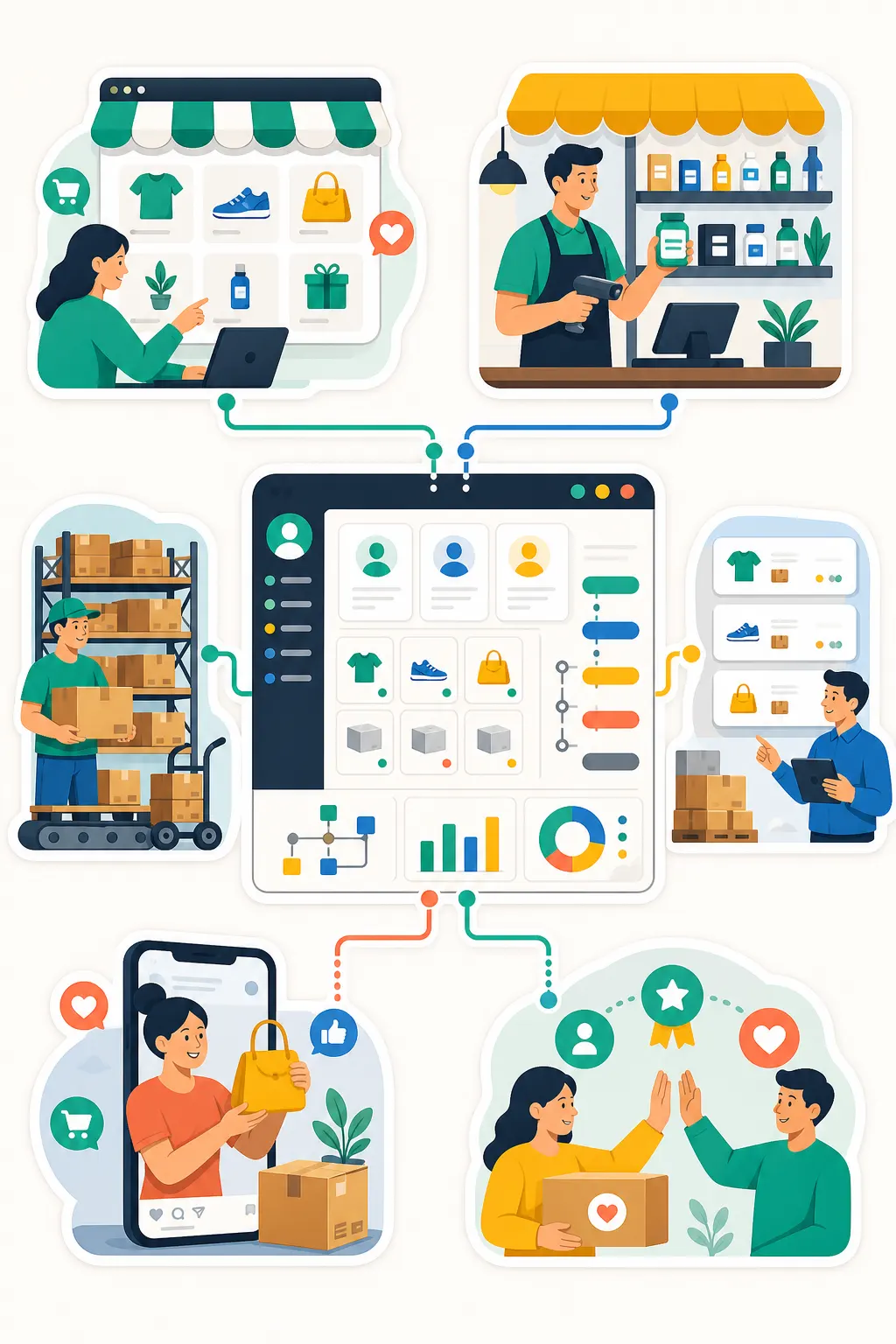
A CRM for product-based business fits companies that process dozens or hundreds of orders every day and already feel that spreadsheets and chats can’t keep up with the pace of the business. This is especially true for dropshipping, where the speed of processing an order and control over supplier stock directly affect profit.
- →Online stores tired of spreadsheets and manually logging every order.
- →Companies running a dropshipping model that need fast synchronization with suppliers.
- →Marketplace sellers who sell simultaneously across several platforms.
- →Businesses where managers have lost control over order statuses and warehouse stock.
- →Teams that are scaling and want a system that grows together with the business.
- →Owners of product-based businesses who want to integrate delivery, payments, and analytics into one system.
Какие проблемы решает CRM для товарного бизнеса
Заявки теряются в Excel и чатах
Десятки заказов в день невозможно надёжно вести в таблицах — часть теряется или дублируется.Ошибки из-за человеческого фактора
Ручная обработка заказов и накладных неизбежно приводит к ошибкам, которые стоят клиентов и прибыли.Рассинхрон с поставщиками
Без автоматического обновления остатков поставщиков компания продаёт товар, которого уже нет в наличии — критично для дропшипинга.Продажи разбросаны по нескольким площадкам
Собственный сайт, маркетплейсы и офлайн-точка живут отдельно друг от друга, и собрать полную картину сложно.Менеджеры теряют контроль над статусами
Без единой системы сложно отследить, на каком этапе каждый заказ и кто за него отвечает.Бизнес растёт, а система не успевает
Excel и ручные процессы не выдерживают роста количества заказов и новых товарных групп.Как проходит внедрение CRM для товарного бизнеса
Анализируем бизнес-процессы компании
Изучаем, как сейчас обрабатываются заявки, склад и клиентская база, чтобы адаптировать каждый модуль CRM под реальные задачи бизнеса.
Согласовываем этапы и формат оплаты
Фиксируем в договоре перечень модулей и выбираем удобный формат оплаты по этапам — 70/30, 60/40 или 50/50.
Разрабатываем MVP с ключевыми функциями
Для оптимизации бюджета сначала внедряем базовый модуль, которым уже можно пользоваться в работе.
Подключаем интеграции
Добавляем маркетплейсы, службы доставки, платёжные сервисы и другие системы, с которыми уже работает бизнес.
Расширяем функционал и масштабируем
Постепенно добавляем новые модули и товарные группы без переделки системы с нуля.
Сопровождаем после запуска
Остаёмся на связи в Telegram и Google Meet, отчитываемся по каждому этапу работ.
Why Choose Us
Transparent Terms of Cooperation
A contract with clear guarantees and commitments. No hidden fees or last-minute rule changes.Flexible Payment Plan
70/30, 60/40, 50/50 per stage — pick the format that suits your budget.Constant Feedback
Through channels convenient for you: Telegram, Google Meet. A manager stays in touch.Progress Reporting
Track progress in real time: dashboard, demo sessions, task statuses.Team Training on the CRM
We train your staff to make effective use of the new system and its features whenever needed.Business Process Audit Before Development
Before starting work, we analyze the client's current business processes, identify bottlenecks, and propose the optimal CRM architecture. Back-End (разработка)


 Front-End (вёрстка)





 Платёжные интеграции













 Интеграции с доставкой





 Аналитика и пиксели




 Системы рассылки


 Маркетплейсы, CRM, фиды, разработка ботов, отправка сообщений










 Гибкость подключения
Сотрудничаем с NextDoorCoders с 2023 года, и за это время убедились в высоком уровне предоставления услуг и профессионализме команды. За этот период мы успели поработать как совместно на этапе продаж (мы закрывали SEO на этапе разработки, партнёр — разработку сайта), так и командно по проектам, маркетинговым активностям, обмену инсайтами/гипотезами.
Наши клиенты благодарны за индивидуальный подход к каждому проекту, что делает сотрудничество ещё более эффективным. Ведь возможность подобрать решение и технологию и просчитать разные варианты реализации делает NDC достаточно гибкими.
Благодарим Владимира и его команду за качество, ответственность и совместное движение к результату! 🚀
Отдельно хотим отметить умение находить решения даже в сложных задачах — это то, что действительно выделяет NextDoorCoders среди других. Команда не просто выполняет задачи, а предлагает оптимальные варианты для достижения наилучшего результата. На совместных проектах мы в этом убедились.
Открытость к разностороннему партнёрству дала возможность быть активными и в маркетинге: реализация совместных кейсов, активность в инфопространстве и написание совместных публикаций в социальных сетях.
Такое комплексное сотрудничество позволяет быть более конкурентоспособными.



Сотрудничаем с компанией NDC с начала 2021 года. У нас была задача найти разработчиков, которые бы доработали функционал и поддерживали наш проект и несколько самописных сайтов. Мы не сразу нашли специалистов, так как получали отказ из‑за использования в проекте устаревшего фреймворка.
Но NDC взялись помочь, и мы довольно быстро договорились о сотрудничестве. Сначала был успешно реализован накопленный пул задач, а затем мы вместе выполнили ещё ряд масштабных доработок. Конечно, как в любом рабочем процессе, были моменты, которые требовали согласования, в частности по таск‑ и тайм‑треккингу и оценке объёмов работ. Но благодаря открытости к диалогу и общей заинтересованности в результате нам удалось наладить эффективное взаимодействие. Сейчас объём задач на доработку не очень большой, но все вопросы поддержки решаются оперативно и профессионально. Считаю наше сотрудничество плодотворным. Могу смело рекомендовать компанию NDC в качестве веб‑разработчиков. Желаю адекватных заказчиков и интересных крупных проектов.

Наша компания «Всеукраинские системы управления» специализируется на внедрении и настройке систем для управления бизнесом. Мы помогаем компаниям автоматизировать процессы, повышать эффективность и масштабировать деятельность.
Один из частых запросов от наших клиентов — создание B2B‑порталов, которые позволяют оптимизировать взаимодействие с партнёрами и клиентами, автоматизировать заказы, улучшить контроль процессов и сократить расходы.
В таких проектах мы полагаемся на наших надёжных партнёров — компанию NextDoorCoders (NDC). Эта команда обладает глубокими техническими знаниями и практическим опытом во внедрении B2B‑платформ. NextDoorCoders: профессионалы своего дела, ответственные, ориентированные на результат, всегда предлагают лучшие технологические решения и эффективную командную работу.
Сотрудничество с NextDoorCoders — это гарантия успешной реализации B2B‑проектов. Мы уверенно рекомендуем их как партнёра, который не просто выполняет задачи, а создаёт эффективные бизнес‑инструменты, приносящие реальный результат.


Около 6 месяцев назад у нас возникла потребность в доработке нашего нового сайта rentsoft.ua, который в недоделанном виде нам передали предыдущие подрядчики. Мы решили найти им замену, поскольку скорость выполнения задач и коммуникация для нас играли важную роль. По рекомендации нам предложили поработать с NDC. Рекомендация оправдала наши ожидания. Молодая команда очень гибко подходит к нашим требованиям и изменениям в приоритетности выполнения задач. Ребята всегда готовы пойти навстречу и при необходимости поставить важную для нас задачу в приоритет к исполнению. Постоянные ежедневные коммуникации и задачи, которые быстро выполняются, всегда давали нам чувство уверенности, что проектом действительно занимаются и подрядчик ценит своих клиентов.

Давно искала толковых и надёжных специалистов для доработки сайта, и вот наконец мне повезло. Сложность была ещё в том, что сайт нам разрабатывали непрофессионалы, и есть нюансы с кодом, из‑за которых за доработку многие просто не брались.
Общаюсь с Владимиром, задачи решаются максимально быстро и качественно. Приятно работать с такими людьми. Искренне благодарю!

We have been successfully working with NextDoorCoders since August 2024. During this time, they have provided fast and high-quality support, significantly improving our website’s performance and user experience through professional recommendations and ongoing technical support.



Сотрудничаем с веб‑студией NextDoorCoders с начала 2024 года. За это время студия зарекомендовала себя как надёжный технический партнёр, внимательно относящийся к потребностям клиента. Команда регулярно предоставляет профессиональные рекомендации по улучшению сайта, выполняет работы по SEO‑техническим задачам и качественно дорабатывает функционал.
Все задачи выполняются вовремя, с ответственным подходом и хорошей коммуникацией. В целом мы довольны сотрудничеством и можем рекомендовать NextDoorCoders как компетентного и удобного в работе подрядчика.


У нас приятный опыт сотрудничества с веб‑студией NextDoorCoders, которая с конца 2024 года помогает нам с доработкой функционала сайта. Команда всегда на связи, быстро реагирует на обращения и внимательно относится ко всем деталям. Все задачи выполняются качественно и в оговоренные сроки. Особенно ценим умение погружаться в специфику бизнеса и предлагать уместные решения. Общение проходит легко, открыто и конструктивно. Искренне рекомендуем NextDoorCoders как надёжного партнёра в сфере веб‑разработки.

Работаем с NextDoorCoders с 2021 года.
Заказывали у них разработку CRM для управления производственными процессами.
Команда прекрасно понимает потребности бизнеса: реализовали удобную систему для учёта заказов, контроля производства и автоматизации множества рутинных процессов. Постоянно совершенствуем функционал вместе с ними.
Рекомендуем как технического партнёра, который понимает специфику производства и бизнес‑процессов.

Мы сотрудничали с командой NextDoorCoders над созданием нашего сайта — и остались очень довольны. Работу выполнили быстро, чётко и качественно. Все наши пожелания учитывались, правки вносились без лишних задержек.
Команда всегда была на связи, подсказывала решения и помогала, когда мы чего‑то не понимали. Очень приятно работать с людьми, которые не только разбираются в технических вопросах, но и действительно заинтересованы в результате. Коммуникация была лёгкой и комфортной.
Сайт работает стабильно, выглядит современно, и мы уже получаем положительные отзывы от клиентов. Никаких сложностей во время сотрудничества не возникало.
Благодарим команду за подход и профессионализм! С радостью обратимся ещё раз при случае.


От имени нашей компании выражаем благодарность команде NextDoorCoders за сотрудничество в реализации нескольких проектов, в том числе европейского стартапа Cooontacts. Этот продукт призван решить в Европе проблему языкового барьера — дать бизнесу возможность находить клиентов на родном языке и, наоборот, помочь людям быстро находить тех, кто говорит на их языке. Задача была непростой, среда разработки — достаточно сложной, но все необходимые функции были реализованы в оговорённые сроки.
Особенно ценим готовность команды к оперативным доработкам: несмотря на то, что в процессе работы технические и бизнес‑требования менялись, ребята никогда не отказывались вносить правки и детально разбирались в каждом задании. Помимо чисто программной части, они глубоко погружались в нашу идею, предлагали собственные концепции и варианты решений, что помогло улучшить продукт и избежать многих распространённых ошибок.
В результате мы получили не просто подрядчиков, а надёжных партнёров, с которыми приятно работать. Благодарим NextDoorCoders за профессиональный подход, гибкость и ответственность — с нетерпением ждём новых совместных проектов.

NextDoorCoders уже долго занимаются технической поддержкой нашего сайта. Работать с ними удобно: всегда на связи, быстро реагируют на запросы, выполняют всё аккуратно и без лишних напоминаний. Сотрудничаем с 2021 года — за это время не возникло никаких нареканий. Команда ответственная, внимательная к деталям и просто приятная в общении. Рекомендуем!

Мы уже долгое время сотрудничаем с командой NextDoorCoders. Они реализовали для нас редизайн сайта, а сейчас занимаются поддержкой и выполнением новых задач. Коммуникация всегда на высоте, быстро реагируют, всё обсуждается просто и понятно.
Нравится, что команда не просто выполняет задачи, но и подсказывает, как можно сделать удобнее или эффективнее.
Работать с ними легко и приятно. Мы счастливы, что нашли такую замечательную и ответственную команду.

У нас есть опыт работы с командой NextDoorCoders начиная с 2019 года. Мы всегда оставались довольны результатами. Они перенесли сайт и помогали с различными мелкими задачами, благодаря чему ресурс выглядит современно и удобно. Команда всегда внимательно выслушивает наши пожелания и предлагает решения, которые действительно работают.
Особенно ценим скорость реакции и открытую коммуникацию — это создаёт ощущение надёжного партнёрства. За эти годы мы убедились в их профессионализме и ответственном подходе к делу. Это сотрудничество, которое можно смело рекомендовать другим.

We turned to NextDoorCoders to create a website for our nail service courses. They did everything efficiently and on time, and also offered their own ideas that helped improve the result. Cooperation was easy and pleasant – the team was always in touch and communicated openly.
We liked that they cared not only about the completion of the tasks, but also about the overall quality of the project. As a result, we received a modern and convenient website that we were satisfied with. We can recommend NextDoorCoders as reliable partners for any web projects.


Компания NextDoorCoders создала для нас современный, интуитивный и функциональный веб‑сайт, который полностью соответствует нашим бизнес‑требованиям.
Все этапы работы — от разработки концепции до успешного запуска в продакшен — были выполнены с высоким уровнем профессионализма.
Хотим отдельно отметить их эффективный подход к коммуникации, внимание к мельчайшим деталям и способность оперативно решать любые вопросы.
После запуска сайт остаётся на поддержке команды, которая обеспечивает его стабильную работу и дальнейшее развитие. Мы уверенно рекомендуем NextDoorCoders как надёжного технологического партнёра для создания и сопровождения веб‑проектов.

Мы, компания Piranil, начали сотрудничество с NDC в сентябре 2025 года и с тех пор успешно работаем над задачами.
Команда проявила себя как надёжный партнёр, который не просто выполняет запросы, а действительно погружается в бизнес‑процессы.
Особенно ценим то, что они всегда предлагают несколько вариантов решений и помогают выбрать оптимальный.
Коммуникация проходит быстро, понятно и без лишней бюрократии, что значительно упрощает рабочий процесс. Чувствуется ответственность за результат и желание сделать больше, чем просто «по ТЗ». Сотрудничеством довольны.

NDC разработали для нас корпоративный сайт для логистических услуг, и мы полностью довольны результатом сотрудничества.
Команда профессионально выполнила вёрстку, учла все наши пожелания.
С момента начала работы в 2023 году и после запуска сайт работает стабильно, а техническая поддержка всегда быстро реагирует на наши запросы.
Чувствуется ответственность, глубокое погружение в проект и искреннее стремление помочь достичь наилучшего результата.
Однозначно рекомендуем NextDoorCoders как надёжного партнёра для разработки и сопровождения веб‑проектов.

Наше сотрудничество началось с того, что в 2019 году команда полностью создала наш сайт с нуля и с тех пор занимается его поддержкой. Они не только профессионалы в своём деле, но и искренне заботятся о комфорте и успехе нашего магазина. Работать с ними — легко и приятно!


Работа с командой NextDoorCoders прошла гладко и приятно. Они помогли нам в разработке на платформе OpenCart, активно участвовали в проекте и всегда были готовы к общению. Мы высоко оценили их ответственный подход, четкое общение и внимание к деталям. Все вопросы решались быстро и без лишних сложностей. Спасибо за сотрудничество, желаем им дальнейших успехов и интересных проектов!